

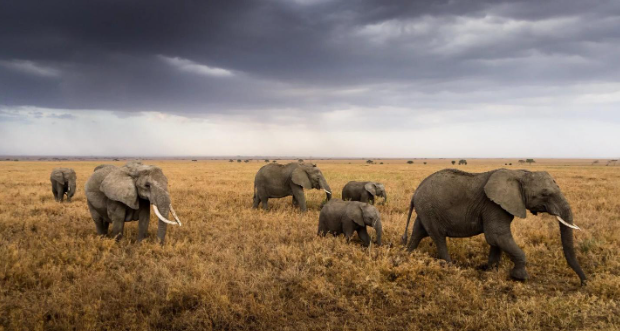
When in the Serengeti, most travelers initially focus on the animals: lions, elephants, and an endless herd stretching across the horizon. But after a few game drives, a quiet realization settles in, which is that wildlife sightings depend as much on the land as they do on the animals themselves.
Before a lion is spotted or a herd comes into view, the landscape has already decided what is possible. In the Serengeti, the land shapes behavior, movement, and timing. It determines where animals gather, where they hide, and where moments unfold. Understanding this is what turns a Serengeti Safari from simple observation into a connected experience.
The Open Plains and the Advantage of Visibility
The Serengeti is famous for its open plain, and for good reason. These wide grasslands stretch so far that they change how both animals and humans move through space.
- Predators rely on the openness to spot prey from a distance, while prey species depend on the same visibility to sense danger early.
- Lions often rest in a shallow dip or near a subtle rise, using the land’s gentle contour rather than dense cover.
- Cheetahs favor this open area because speed, not stealth, is their advantage.
For visitors, this openness creates a unique Serengeti safari experience. You’re not just reacting to a sudden sighting. You see stories forming a line of wildebeest shifting direction, a vulture circling far away, a lone acacia tree drawing attention for reasons that are not obvious yet.
This level of visibility is rare in other ecosystems and is one reason the Serengeti is often considered the best safari destination in Tanzania.
Rivers, Kopjes, and Natural Gathering Points
While the plain dominates the landscape, it is the river’s interruption, rocky outcrops, and shaded pockets that concentrate wildlife.
Kopjes, the rocky formation scatter across the Serengeti, act as natural shelters.
- Lions use them as a lookout point.
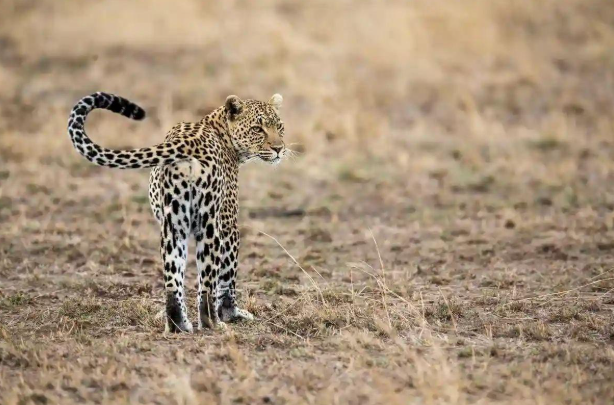
- Leopard retreats into their crevice.
- Reptiles and small mammals find warmth and protection among the stones.
These features consistently attract wildlife because they offer what the open plain cannot shade, elevation, and refuge.
The Tanzania Rivers play a similar role.
During the dry period, the water source becomes a magnet for life. Animals arrive not by chance, but because the land funnels them there.
These areas often deliver some of the most reliable Serengeti Wildlife Viewing, not because animals are predictable, but because the terrain quietly shapes their needs.
Seasonal Shifts in the Serengeti Terrain
The Serengeti is not static. Rainfall transforms it.
- During the wet months, grass grows tall and green, spreading food across vast areas. Animals disperse, following fresh grazing rather than a fixed water point.
- During the dry period, vegetation thins, water sources shrink, and movement becomes more concentrated.
These seasonal changes are a core part of the Serengeti ecosystem. They guide the wildebeest migration route, influence the breeding cycle, and determine where predators focus their energy.
Understanding how the land responds to rain is essential for planning the Best Time To Visit Tanzania, especially for travelers hoping to follow the Great Migration. What looks random is actually a rhythm set by soil, water, and grass long before animals arrive.
How Landscape Influences Safari Viewing Strategy
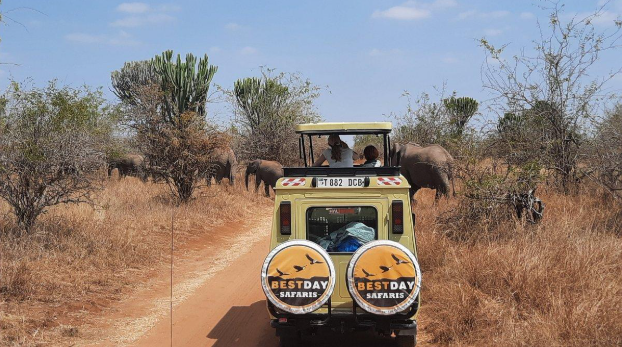
Our experienced guides don’t start a game drive by searching for animals. Instead, they start by reading the land.
They consider grass height, recent rainfall, wind direction, and terrain shape. A slight dip in the plain might offer shade. A line of trees may indicate water nearby. Tracks tell part of the story, but the land tell the rest.
This approach is what separates rush safaris from meaningful ones. Rather than driving from sighting to sighting, guides position Tanzania Safari Vehicles where activity is likely to unfold naturally. It’s a patient, intuitive process, one shaped by years of observation of experienced guides.
This is why a Tanzania Safari Tour in the Serengeti often feels less scripted and more intuitive. The landscape set the pace, not a checklist.
Serengeti’s Role in the Greater Ecosystem
The Serengeti does not exist in isolation. Its terrain supports one of the most complex and interconnected ecosystems on the planet, the Serengeti-Mara ecosystem.
- Open plains allow a massive herbivore population to graze.
- Rivers sustain life during dry months.
- Kopjes provide breeding and resting sites.
Seasonal grass growth triggers migration on a scale found nowhere else on Earth. This balance sustains not just wildlife but also the entire region, from neighboring reserves to human communities that depend on tourism and conservation. The Serengeti’s landscape is not simply a backdrop; it is an active participant in survival.
Understanding this adds depth to every sighting. A single animal becomes part of a larger, ongoing story shaped by land, weather, and time.
Practical Context for Travelers
For travelers, understanding the Serengeti’s terrain also supports better planning. Understanding how landscapes affect movement helps manage expectations for Tanzania safari costs, timing, and route selection. It also informs decisions about travel safety in Tanzania, as weather and road conditions vary by terrain and season.
Reliable Tanzania travel guides emphasize preparation, not to control the experience, but to allow it to unfold naturally. When logistics fade into the background, attention shifts back to the land itself.
Conclusion: A Different Way of Seeing the Serengeti
When you begin to notice the land first, wildlife encounters change. They stop feeling like an isolated moment and start feeling connected to a larger rhythm shaped by terrain, season, and survival.
That is what makes a Serengeti Safari unforgettable. Not just what you see, but how you understand it. The Serengeti teaches patience. It asks you to look wider, wait longer, and listen more carefully. And when you do, the land reveals why every wildlife moment happens exactly where it does.


