Introduction
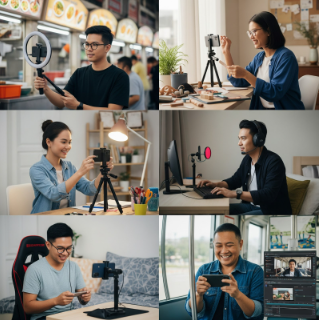
In Malaysia today, creativity no longer lives only in studios or offices — it lives in pockets. A few years ago, producing content or starting an online business required expensive setups. Now, all it takes is a phone, an internet connection, and the courage to post.
From café vloggers in Penang to part-time graphic designers in Johor Bahru, a generation of Malaysians is using mobile tech to turn creativity into income — and independence.
1. The Creator Economy Goes Local
Globally, the “creator economy” is worth billions. But Malaysia’s version is uniquely practical. Creators here blend art with side hustles — using TikTok for marketing, Telegram for clients, and WhatsApp for sales.
Instead of chasing fame, most focus on micro-audiences — 200 loyal followers who actually buy or subscribe. That intimacy is Malaysia’s advantage: creativity feels more like community than competition.
2. Tools That Shrink the Gap
High-end creativity is no longer out of reach. Affordable smartphones now come with 4K cameras and built-in editing suites. AI caption generators, design templates, and auto-translation tools remove the technical barrier.
Freelancers can design, edit, and deliver projects between errands. As a result, creativity has moved from a scheduled career to an on-demand lifestyle.
3. Social Media as the New Resume
For many Malaysians under 30, a social feed says more than a résumé. Employers and clients scan TikTok clips, Instagram grids, or Behance pages before offering projects.
A well-curated online presence shows personality, discipline, and communication skills — traits that matter more than formal titles. In this way, social media isn’t vanity anymore; it’s proof of ability.
4. Education in the Palm of Your Hand
Learning once required classes and certificates. Now, skills flow freely through micro-learning:
- 60-second video tutorials on copywriting
- Telegram groups for marketing strategies
- Free design templates shared on community boards
This democratization means anyone can become a professional creator, not by degree, but by consistency.
5. The Hidden Challenge: Burnout and Overexposure
The creative rush comes with pressure. Constant posting, algorithm changes, and audience demands can turn passion into fatigue. Malaysians are learning to pace themselves — batch-creating content, taking offline weekends, and setting digital boundaries.
Brands that respect these rhythms, offering fair deadlines and transparent collaborations, retain creators longer. Digital well-being has become part of business etiquette.
6. Security and Digital Ownership
Monetization brings another issue: security. Fake sponsorships, phishing DMs, and data leaks target active creators. Savvy Malaysians are getting smarter — verifying files, using password managers, and learning basic app hygiene.
For new freelancers or content creators, a secure creator game toolkit offers practical steps — from verifying download links to protecting payment details.
Owning your data and protecting your files is the quiet foundation of every successful online business.
7. The Future: AI Collaboration, Not Replacement
AI tools won’t replace Malaysian creators; they’ll amplify them. Expect smarter editing, instant localization, and personalized analytics to become everyday tools. The best creators will mix machine precision with human emotion — something no algorithm can fake.
In a nation known for resourcefulness, that hybrid approach could define the next decade of digital entrepreneurship.
Conclusion
Malaysia’s creative class is growing — not in studios, but in cafés, homes, and LRT seats. Every scroll, every tap, every post contributes to a new economic rhythm built on creativity, flexibility, and self-reliance.
The mobile creator isn’t the future of work — they’re already here, crafting the stories, art, and brands that shape how Malaysia shows up online.