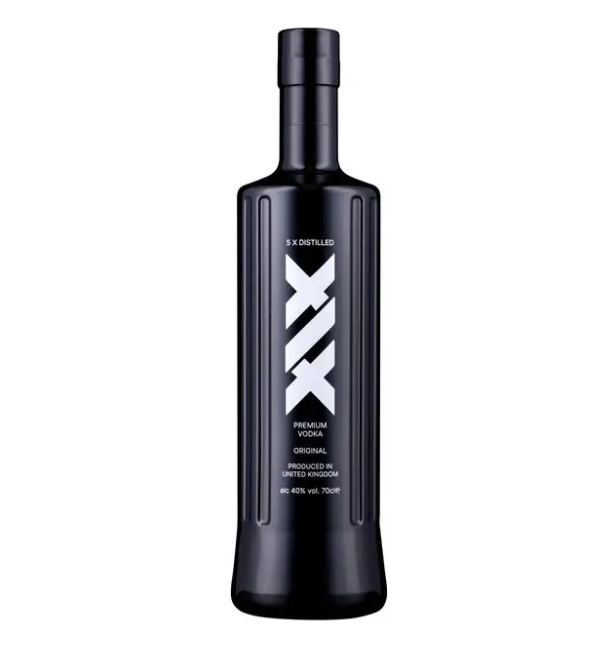
Vodka remains one of the most versatile and widely consumed spirits in the world, prized for its clean profile and adaptability in countless drinks. Among the many options on the market, XIX vodka has gained attention for its smooth character and straightforward approach to production. Whether you are new to vodka or simply exploring different expressions, understanding what sets a premium vodka apart can help you make a more informed choice. This guide covers the essentials, from production methods to tasting notes and serving suggestions, giving you a clearer picture of what to look for when selecting a quality vodka.
What Makes a Premium Vodka Different
Not all vodka is created equal, despite its reputation as a relatively neutral spirit. Premium vodkas are typically distilled multiple times to achieve greater purity and a smoother mouthfeel, removing impurities that can otherwise create harsher flavours. The base ingredient also plays a role, with grain, potato, and grape-based vodkas each offering subtle differences in texture and finish. Water quality used in the distillation and dilution process further affects the final product, as minerals and purity levels can influence taste. XIX vodka is positioned within this premium category, reflecting a focus on careful distillation and a clean drinking experience.
Production Process
The vodka is produced from distilled grain spirit, which is then filtered to achieve clarity and a clean finish. Grain-based vodkas are among the most common styles on the market, generally associated with a smoother, slightly bread-like character compared to potato or grape-based alternatives. Filtration after distillation is a standard step in vodka production, used to remove impurities and refine the spirit’s texture before bottling. This combination of grain distillation and filtration is what gives XIX vodka its intended clean appearance and neutral character.
Tasting Notes and Characteristics
A well-made vodka should have a clean nose with subtle notes that vary depending on the base ingredient used. Grain-based vodkas often present a slightly creamy or bread-like character, while potato-based versions can feel richer and heavier on the palate. On the finish, quality vodka should leave a smooth sensation without excessive burn, indicating careful distillation and filtration. Serving temperature also affects perception, as chilled vodka tends to mute some aromatic qualities while enhancing smoothness, which is why it is commonly served cold.
How to Serve and Enjoy Vodka
Vodka’s versatility is one of its biggest appeals, working equally well in classic cocktails, simple mixers, or on its own. For those who prefer to taste the spirit’s character directly, serving it neat and well-chilled allows the subtle flavours to come through. Alternatively, vodka pairs well with tonic, soda, or citrus-based mixers for a lighter, refreshing drink. In cocktails, its relatively neutral profile makes it a flexible base for a wide range of recipes, from a classic Martini to more contemporary creations.
Storage Tips for Maintaining Quality
Proper storage helps preserve the quality of vodka over time. Unlike wine, vodka does not need special cellar conditions, but it should still be kept away from direct sunlight and extreme temperature changes. Storing the bottle upright is generally recommended to minimise contact between the spirit and the cap, reducing the risk of any unwanted flavour transfer.
Conclusion
Choosing a quality vodka comes down to understanding the production process, ingredients, and how these factors shape the final taste. XIX vodka reflects the broader qualities associated with premium vodka production, offering drinkers a smooth and versatile option for various occasions. For those looking to diversify their drinks selection further, options such as Champagne Moët & Chandon Rose Imperial provide an entirely different experience, ideal for celebrations or moments calling for something more festive. Ultimately, whether enjoyed neat, mixed, or as part of a celebration, understanding what goes into a quality spirit helps you appreciate it more fully.